

How to start with Bushcraft
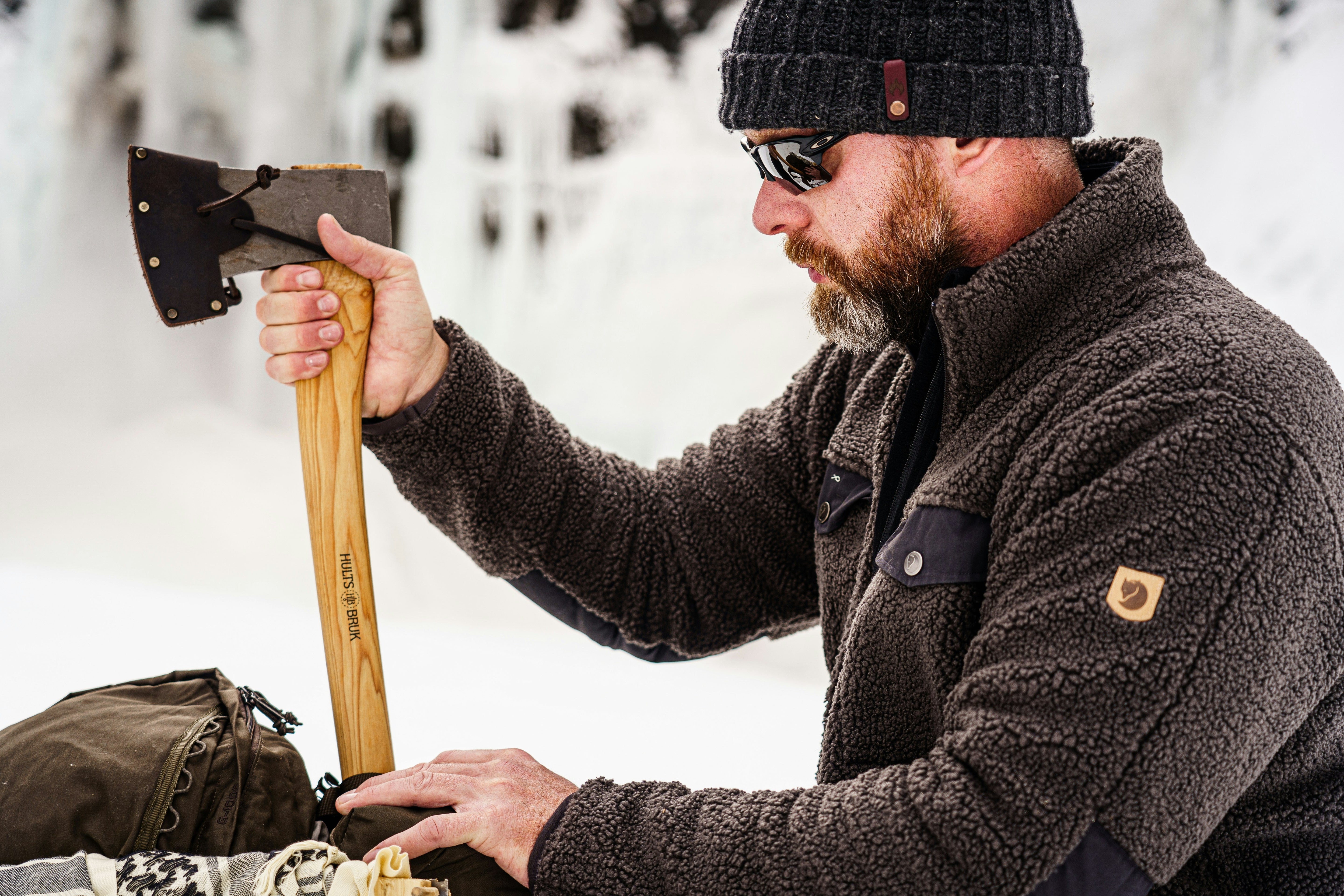
Bushcraft can look intimidating when you're first getting into it. Spend enough time online and you'll quickly find people building elaborate shelters, starting fires with primitive techniques, carving their own tools and heading deep into the wilderness with a knife and an axe.
It's easy to come away thinking that you need years of experience and a truckload of specialized equipment before you can call yourself a bushcrafter.
You don't.
At its simplest, bushcraft is about developing practical skills that help you become more comfortable and capable outdoors. It can be as simple as learning how to make a fire, prepare wood, cook outside, set up a shelter or navigate with a map and compass. You don't have to disappear into the wilderness to learn any of them.
In fact, starting somewhere familiar is probably the best way to begin.
Start Somewhere You Know
Your first bushcraft trip doesn't need to be an expedition. A familiar woodland, campsite or other suitable outdoor area can give you everything you need to start practicing.
There is a good reason for keeping things simple at the beginning. When you already know the area and how to get home, you can concentrate on learning rather than worrying about navigation, weather or whether you've bitten off more than you can handle.
Before heading out, check the weather and local regulations, particularly those concerning fires and camping. Tell someone where you're going, carry enough food and water for the conditions, and take a charged phone along with a map and compass.
There is no benefit in making your first experience unnecessarily difficult. Bushcraft is about becoming more capable outdoors, not deliberately putting yourself into situations where you might need rescuing.
As your skills and confidence develop, you can gradually explore further and spend longer periods outside.
Don't Worry About Building the Perfect Kit
One of the easiest traps for a beginner is spending too much time thinking about equipment.
There are specialized knives, axes, saws, fire starters, cooking equipment, backpacks, pouches and shelters for almost every imaginable outdoor situation. Good equipment can certainly make things easier, but buying it all at the beginning won't make you better at using it.
Start with what you already have.
A decent knife, a reliable way of starting a fire, some cordage and a simple shelter are enough to learn a surprising number of skills. A lighter works perfectly well while you're learning to build fires. A tarp can teach you plenty about shelter before you ever need to construct one from natural materials.
After several trips, you'll start noticing what you actually use and what you don't. That's when equipment becomes much more interesting. Instead of buying things because somebody on the internet says you need them, you can choose equipment because you've discovered a specific problem that needs solving.
Your kit should develop from experience.
Learning to Make a Fire
Fire is one of the classic bushcraft skills and a good place to begin because it teaches several fundamentals at once.
You need to understand how different types of wood burn, how moisture affects your fuel, how to prepare tinder and kindling, and how airflow affects the fire. Most failed fires aren't caused by having the wrong fire starter. They're caused by trying to light a fire before enough fuel has been prepared.
Start by collecting your material before you strike the first spark. Look for dry tinder and small pieces of wood, then gradually work your way up to larger fuel. If the outside of a branch is damp, splitting it can expose much drier wood inside.
Practice when conditions are easy, then try again when the weather is less cooperative. You'll quickly learn that preparation matters far more than having an impressive fire-starting gadget.
Of course, fire also comes with responsibility. Always check local regulations and wildfire conditions before lighting one. In some areas or during dry periods, fires may be prohibited completely. Knowing when not to have a fire is just as important as knowing how to build one.
Get Comfortable With a Knife
A knife is one of the most versatile tools in a bushcraft kit, but using one safely is more important than learning complicated carving techniques.
Start with simple jobs. Make small stakes, prepare kindling or practice making feather sticks. Work slowly and pay attention to where the blade is travelling and where your hands are positioned.
There's no reason to rush. Good knife work is controlled and deliberate.
Learning to maintain the knife is also worth your time. A sharp blade generally requires less force than a dull one, and learning how to sharpen and care for your tools is part of becoming comfortable with them.
As you gain experience, you can move on to more interesting projects. Carving a spoon, pot hanger or other simple camp item can teach you a lot about wood while giving you something useful to take home.
The objective isn't to make the most impressive carving. It's to understand the material and become comfortable working with your tools.
Add a Saw Before You Need an Axe
Once you're comfortable with a knife, a small saw is a useful next addition to your kit. A saw makes it relatively easy to process branches for firewood and camp projects without the technique required to use an axe safely.
An axe can come later.
There is nothing wrong with learning to use one, but it deserves respect. Before working with larger pieces of wood, learn the correct technique and make sure you have plenty of space around you. Keep the axe sharp and pay attention to where the blade could travel if something went wrong.
You also don't need to cut down trees to practice bushcraft. Fallen wood can provide plenty of material for learning, and in many places it is the more responsible option.
Over time, you'll begin to understand different types of wood and what they are useful for. Some split easily, some burn well, some make good carving material and others are better left alone.
That knowledge is far more valuable than simply knowing how to swing an axe.
Start Paying Attention to the Forest
One of the biggest changes that happens when you spend more time practicing bushcraft is that you begin to notice things you previously ignored.
When choosing a campsite, you start looking at the ground differently. Is it likely to collect water if it rains? Is it exposed to strong wind? Are there dead branches overhead? Where will the sun reach in the morning?
You begin noticing the trees as well. Learning to identify even a handful of local species can make your time outdoors much more interesting. Learn their bark, leaves, wood and typical habitat. Notice which species are useful for firewood or carving.
You don't need to learn everything at once. Pick five trees you commonly encounter and learn to recognize them. Once those become familiar, add a few more.
The same approach works with plants and wildlife, although foraging deserves particular caution. Never eat a plant or mushroom unless you can identify it with complete confidence and know that it is safe.
Bushcraft isn't just about doing things in the woods. A large part of it is learning to understand the place you're in.
Learn Navigation Before You Need It
Navigation is one of those skills that is easy to overlook because smartphones and GPS devices make finding your way so simple.
They're excellent tools, and there's no reason not to use them. A phone or GPS can be extremely valuable in an emergency. But it's worth developing the ability to understand where you are without relying entirely on electronics.
Start with a map and compass in an area you already know. Learn how the map represents the terrain and start identifying landmarks as you walk. Check your position regularly rather than waiting until you're unsure where you are.
Most importantly, don't treat leaving established trails as a requirement of bushcraft. If you're exploring somewhere unfamiliar, staying on a marked trail can be the safest and most sensible choice.
The goal isn't to get lost and find your way back.
The goal is to know where you are in the first place.
Learn to Build a Simple Shelter
You don't need to start by building a shelter from branches and leaves. A tarp is an excellent way to learn the fundamentals.
Experiment with different pitches and learn how to position your shelter according to wind and rain. Pay attention to drainage and the ground underneath you. Think about what the weather is likely to do during the night rather than simply what it is doing when you arrive.
Practice setting everything up during daylight. It's much easier to discover that you've forgotten how to tension a ridgeline at three in the afternoon than at nine at night in the rain.
Once you're comfortable with a tarp, you can start experimenting with more traditional natural shelters if that's something that interests you.
But don't confuse complexity with effectiveness. A simple shelter that keeps you dry and protected from the wind is doing exactly what it needs to do.
Cook Something Simple
Cooking outdoors is one of the easiest ways to make a bushcraft trip more enjoyable.
You don't need complicated recipes or specialized cookware. Start with something simple that you already know how to prepare. Coffee, eggs, bacon, sausages or a basic stew are all good places to begin.
You'll quickly learn that cooking over a fire isn't quite the same as cooking in a kitchen. Heat isn't perfectly consistent, and you'll need to learn how to work with the fire rather than expecting it to behave like a stove.
That's part of the fun.
Eventually, you'll start experimenting with different foods and techniques. But there is no need to rush into elaborate camp cooking. Sometimes a simple meal after a few hours outside is all you need.
Learn to Leave the Woods as You Found Them
There is an important part of bushcraft that has nothing to do with tools or skills: knowing how to minimize your impact.
The woods aren't there for us to use however we want. We're visitors, and good outdoor practice means treating the environment accordingly.
Use established campsites and fire areas where they are available. Follow local regulations. Avoid damaging living trees unnecessarily, don't disturb wildlife and take your rubbish home.
If you're collecting deadwood, make sure you're allowed to do so and take only what you need.
Before leaving camp, take a look around. Pack away your equipment, extinguish your fire completely if fires are permitted, and make sure you've left nothing behind.
The best campsite is one that doesn't look like a campsite once you've gone.
Don't Try to Learn Everything at Once
Bushcraft has an almost endless list of skills you can explore.
Fire making leads to wood selection. Wood selection leads to tree identification. Carving leads to knife maintenance. Camping leads to navigation, shelter and weather awareness.
You could spend years learning and still have plenty left to discover.
That's part of what makes it interesting.
Don't feel like you need to master everything before enjoying yourself. Pick one skill and spend some time with it. Once you're comfortable, move on to something else.
You'll also find that different people approach bushcraft differently. Some are interested in primitive skills and traditional techniques. Others enjoy making camp comfortable and developing a practical outdoor kit. Some are fascinated by plants and wildlife, while others simply enjoy spending quiet evenings around a fire.
There isn't one correct way to do it.
Let Experience Shape Your Gear
After you've spent some time outdoors, you'll probably start developing a very different relationship with your equipment.
Instead of asking what you should buy, you'll start asking what you actually need.
You'll know which tools you reach for every time you go outside. You'll know where you want your fire kit, which pouch makes sense on your belt, how much cordage you actually use and what kind of bag works best for the way you travel.
That's when well-made equipment starts to make sense.
A good knife, a reliable axe, a comfortable pack or a properly designed belt system can become something you use for years. It doesn't need to be the newest or most complicated piece of gear. It simply needs to work.
Good equipment should disappear into the experience. You shouldn't spend the day thinking about the bag on your back or the pouch on your belt. You should be thinking about where you're going, what you're doing and what's happening around you.
Start Small and Keep Going
You don't need to plan a week-long wilderness trip to start learning bushcraft.
Pick a safe, familiar place where you're allowed to practice. Spend an afternoon there. Learn to make a fire. Prepare some wood. Cook something. Put up a tarp. Practice with your knife.
Then go home.
Come back another day and try something different.
Over time, those individual skills begin to connect. You become more comfortable making decisions outdoors, more aware of the environment around you and less dependent on having everything perfectly organized before you leave home.
That's really what bushcraft is about.
Not surviving some imaginary disaster.
Not seeing how far you can get from civilization.
And not owning the biggest collection of outdoor gear.
It's about becoming more capable, more observant and more comfortable in the places you choose to spend your time.
You don't have to leave the trail behind.
You just have to start paying more attention to what's around you.
Comments