

What Do You Actually Do All Evening at Camp?
One of the questions people who don't camp often ask is surprisingly simple: what do you actually do all evening?
Once the tent is up, your gear is unpacked and you've eaten dinner, what's left? At home there is always something to do. You can watch a film, work on your computer, scroll through your phone, clean the house or find something else to occupy your time.
At camp, most of those options disappear. And that's part of the experience.
But you don't spend the entire evening sitting silently staring at a fire either. There are usually plenty of small things to do, although they are probably not the kind of things you would normally consider activities.
First, You Have to Finish Setting Up
Getting to camp doesn't mean you're immediately finished for the day.
Even if you've already chosen your campsite and put up your shelter, there are usually a few things to sort out. You need to organize your equipment, collect or prepare firewood, get your cooking area ready, sort out water and decide where everything should go.
This is one of those things that becomes easier with experience. Eventually you develop your own routine and stop having to think about every little detail.
The important thing is not to leave everything scattered around your campsite. Once it's getting dark, finding a headlamp or a knife that you left somewhere ten metres away suddenly becomes much more annoying than it seemed earlier.
You Make a Fire
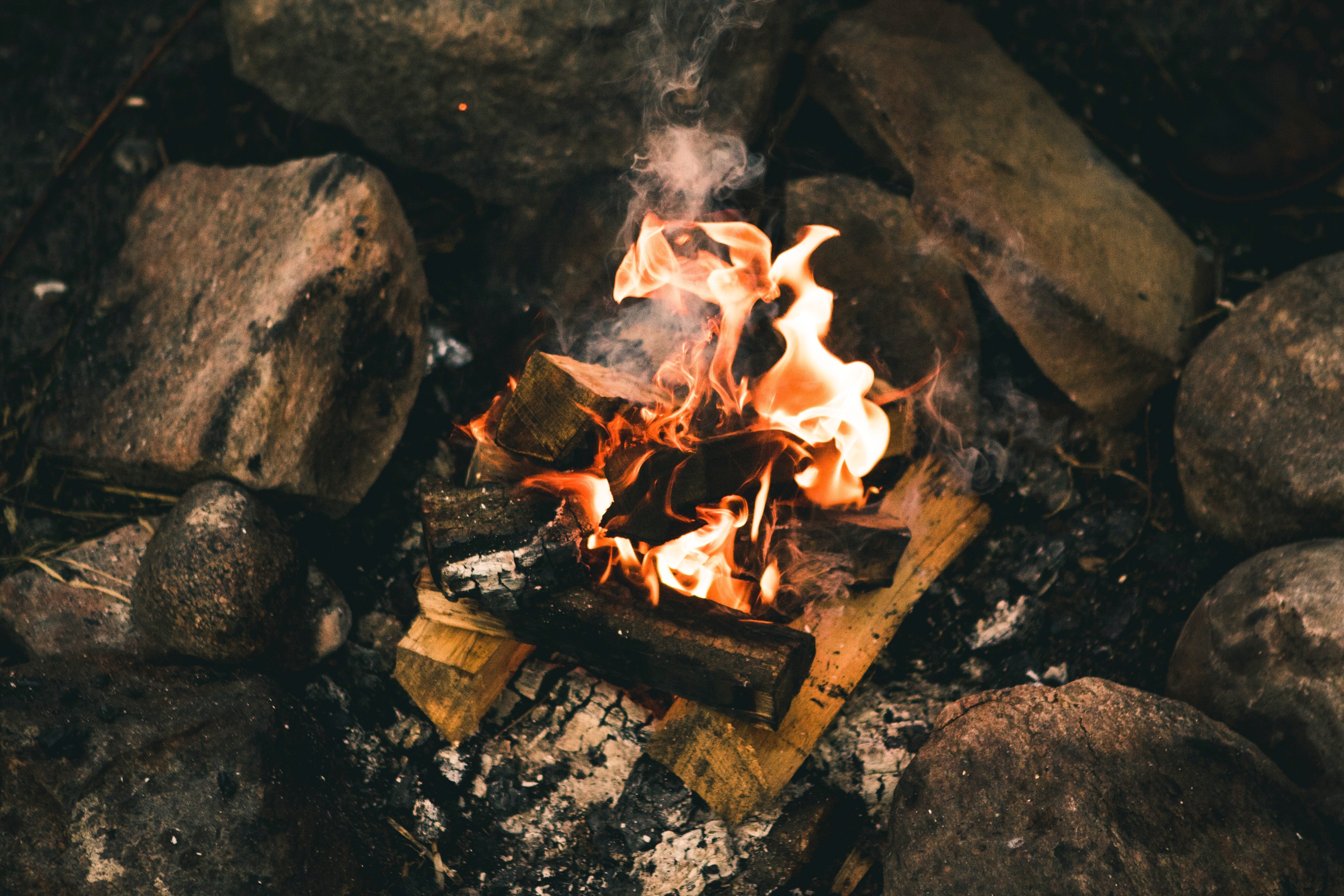
If you're allowed to have a fire where you're camping, getting it going can take up some of the evening.
There is usually more involved than simply lighting it. You need suitable tinder, smaller pieces of wood and larger fuel. You need to prepare enough wood to keep it going for as long as you intend to use it.
Once the fire is established, you don't need to constantly work on it. You add wood when necessary, adjust things occasionally and otherwise let it burn.
This can take longer than people expect, especially if you're doing everything from scratch.
It also gives you something useful to do when you first arrive instead of immediately looking for entertainment.
You Cook Dinner
Cooking is another part of the evening that takes more time outdoors.
At home, you might prepare dinner in twenty minutes. At camp, there is the fire to deal with, the food to prepare, water to heat and equipment to clean afterwards.
You don't necessarily need to cook anything complicated. In fact, simple meals often work best.
The point isn't to recreate your entire kitchen in the woods. It's to have something decent to eat without bringing half the kitchen with you.
And once you've eaten, you have the best part: not having to wash twenty plates and clean an entire kitchen.
You Might Do a Few Camp Jobs
There are always small things that need doing.
Maybe you need more firewood. Maybe your shelter needs adjusting because the wind changed. Perhaps you want to move your sleeping area slightly or organize your bag before it gets completely dark.
These jobs aren't particularly exciting, but they are part of making a camp work.
If you're staying somewhere for more than one night, there is usually even more to do. You might prepare some additional firewood, sort out your food for the next day, check your equipment or think about where you'll go in the morning.
Camping is generally less about having a long list of activities and more about having a series of small things that need attention.
You Can Practice Skills
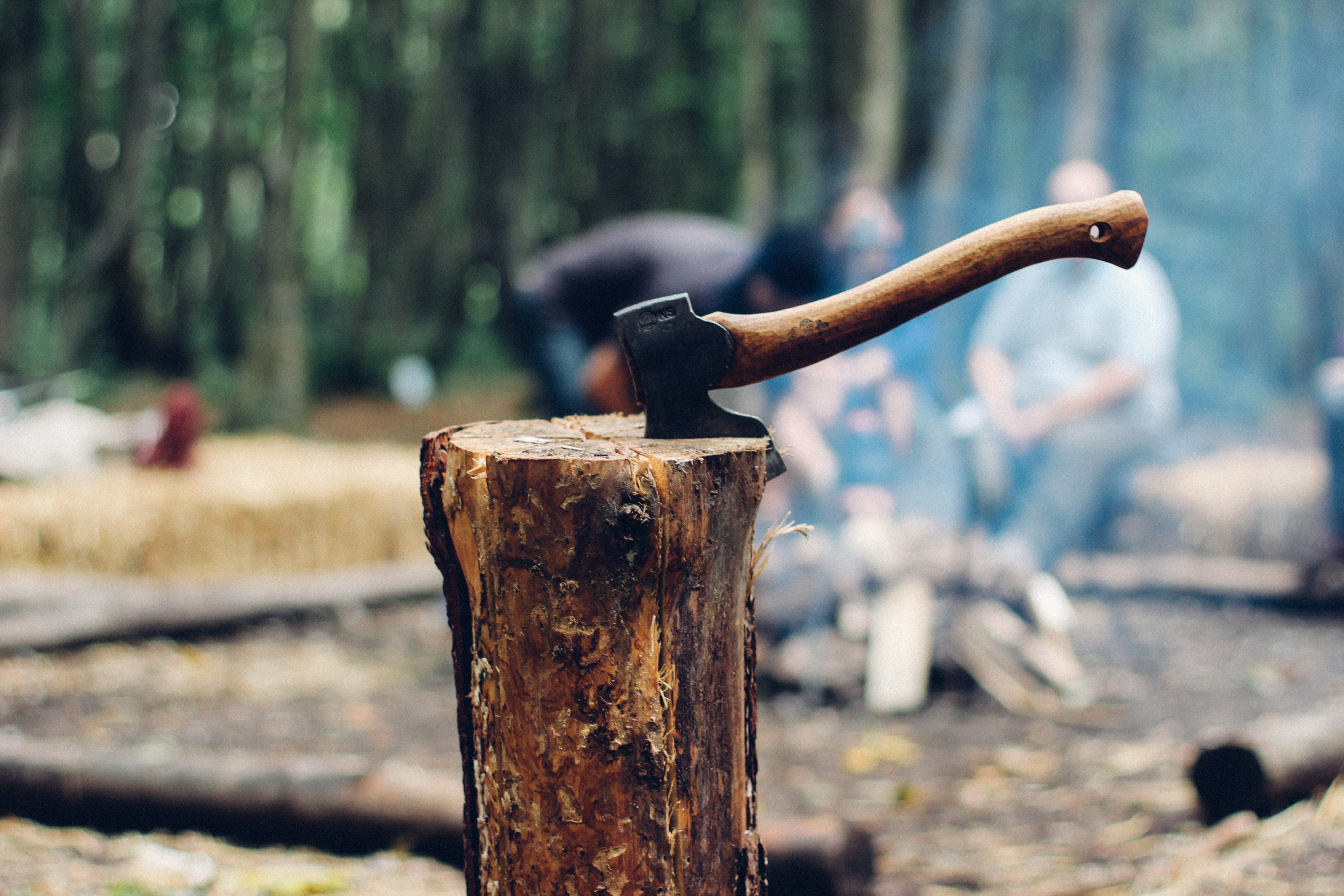
If you enjoy bushcraft, the evening is also a good time to practice things you've been learning.
You might prepare some wood, work on your knife skills, experiment with different ways of arranging a fire or practice using some of your equipment.
But this is where I think people sometimes get the wrong idea about bushcraft.
You don't need to spend the entire evening making wooden spoons, building elaborate shelters or processing an entire tree just because you're in the woods.
If you've already got a comfortable camp, sometimes the best decision is to leave the tools alone.
Bushcraft is supposed to help you enjoy being outdoors, not give you a list of chores.
You Talk
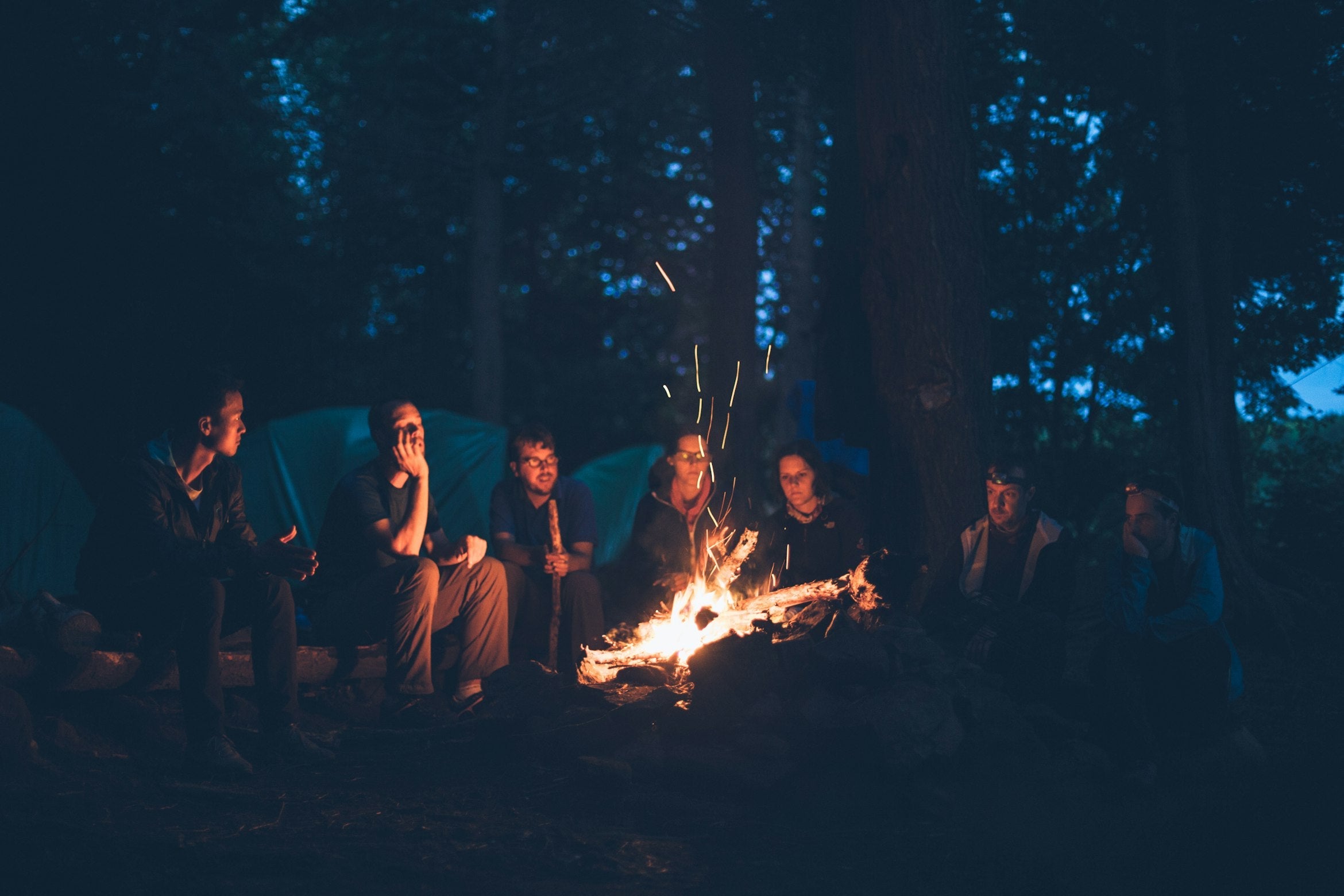
If you're camping with other people, a surprising amount of the evening can disappear into conversation.
There is no television running in the background and nobody is necessarily checking the time every few minutes.
Someone starts talking about something, another person joins in, and before you know it an hour has passed.
This is one of the reasons camping with friends can feel different from meeting them at home or going to a bar. There are fewer distractions and nowhere else you need to be.
You can just sit around and talk.
You Can Read
If you actually enjoy reading, camping is a good excuse to bring a book.
You don't need anything special. A small paperback or an e-reader is enough, assuming you have a way to keep it dry.
Reading beside a fire or under a shelter while it rains outside is a completely reasonable way to spend an evening.
It's also one of the few times when you can read without constantly feeling like you should be doing something else.
You Can Just Sit There
Eventually, you may run out of things that need doing.
That's usually when people discover the strange part of camping: you don't actually need to replace every minute with an activity.
You can sit around the fire, have a drink, talk to whoever you're camping with or simply look around.
You can also check your phone. There's no camping rule that says your phone has to be buried at the bottom of your backpack. You might use it to check the weather, look at a map, take photographs or message someone at home.
The difference is that you aren't surrounded by all the usual things competing for your attention.
If you get bored, that's okay too.
Being bored for a while isn't necessarily a problem that needs fixing.
Darkness Changes Everything
One thing you notice very quickly when camping is how much earlier your day ends.
At home, darkness doesn't really affect what you do. You turn on the lights and continue as normal.
Outside, darkness changes the situation completely.
Once the sun goes down, you become more aware of where your light is, where your equipment is and what you're doing. You also start noticing sounds that you probably wouldn't pay attention to during the day.
Eventually, there isn't much left to do.
And that's fine.
You don't need to stay awake until midnight just because you normally do at home. If you've been walking or working outside all day, going to bed at nine or ten o'clock can feel completely normal.
You Sleep
This might be the biggest surprise for people who are used to staying up late.
Camping days tend to start earlier and end earlier.
You've spent the day outside, you've been walking or working around camp, you've eaten dinner and the light is fading. At some point, going to sleep simply makes sense.
You don't need to force yourself to stay awake.
If you wake up during the night, you might hear the wind, rain or animals moving around outside. That's part of being outdoors, and it's another reason why your first few nights camping can feel very different from sleeping at home.
Eventually, it becomes familiar.
So What Do You Actually Do?
The honest answer is that you do a mixture of things.
You set up camp, collect wood, make a fire, cook dinner, clean up, organize your equipment, talk, read, practice a few skills and eventually go to sleep.
But there are also gaps between those things.
And that's probably the part people find hardest to understand before they've experienced it.
You don't need to fill every gap.
At home, if you have twenty minutes with nothing to do, you might automatically reach for your phone or turn on the television. At camp, you might simply sit down and have a coffee.
After a while, that starts to feel normal.
The evening doesn't need to be packed with activities. The point of being outside isn't to recreate your normal evening somewhere else.
You're there because things are simpler.
There are a few things that need doing, you do them, and then you have the rest of the evening to spend however you want.
Sometimes that's cooking something over the fire. Sometimes it's talking with friends. Sometimes it's reading.
And sometimes you just sit there until you decide it's time to go to bed.
There's really nothing wrong with that.
Comments