

Why Do We Remember Outdoor Trips for Years?
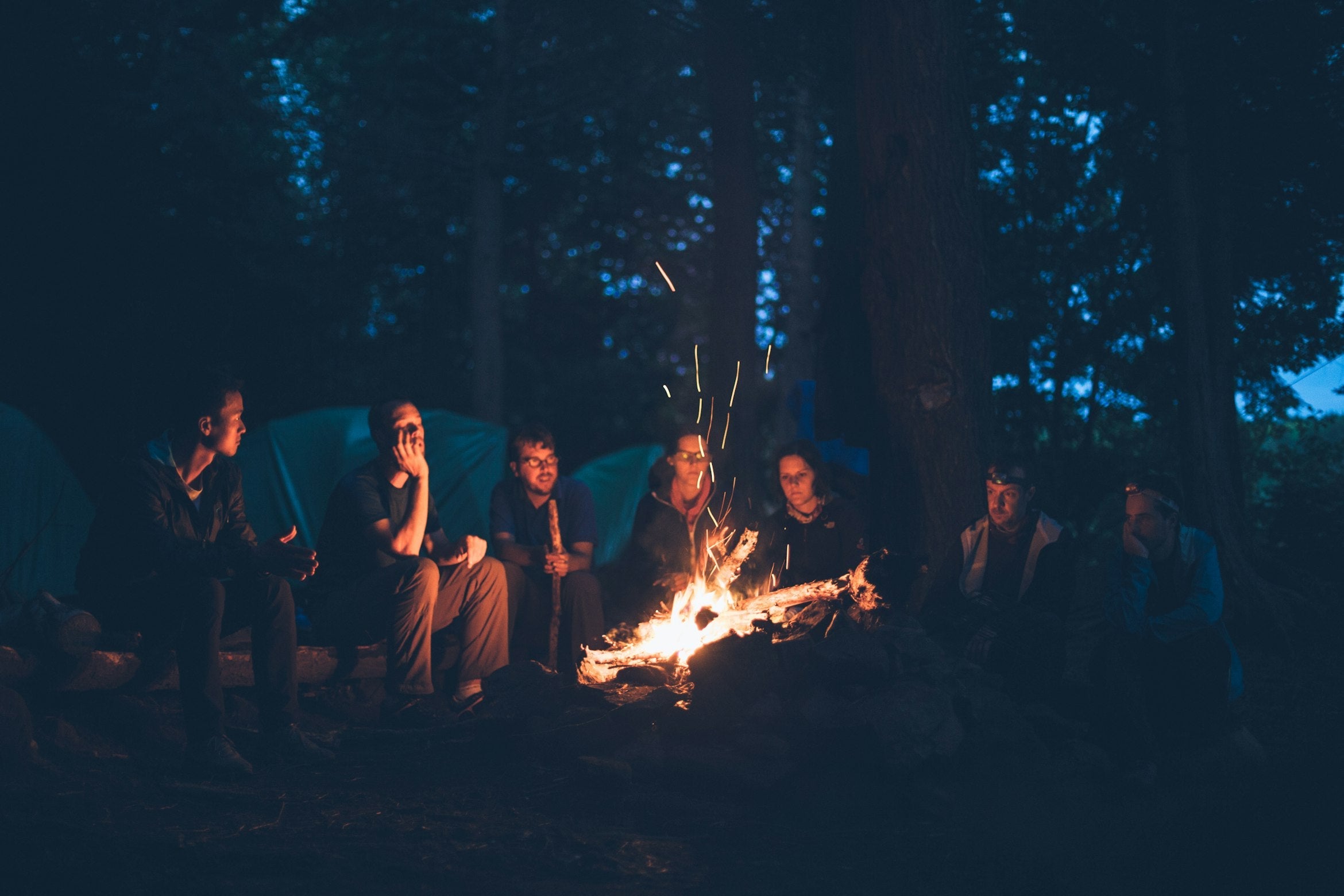
Think about some of the outdoor trips you've taken over the years. You probably don't remember every detail, and you might not even remember exactly what you did each day. But there are probably a few moments that have stayed with you for a surprisingly long time.
Maybe it was the first time you spent a night camping alone. Maybe it rained the entire weekend and you somehow still had a good time. Maybe you found a great campsite, cooked a simple meal over the fire or stayed up much later than planned talking with friends.
What's interesting is that these memories often seem to last much longer than memories of ordinary days.
Most of us have plenty of perfectly pleasant weekends that disappear from our memory almost immediately. We went shopping, watched something, ate dinner and went to bed. Nothing was particularly wrong with the day, but there wasn't much that made it stand out.
Outdoor trips are different because you usually have to be involved in what is happening.
You Actually Have to Do Things
One reason outdoor experiences stick in your memory is that you're not simply observing them.
If you're camping, you have to make decisions. Where are you going to set up? Is the weather changing? Where will you make the fire? Do you have enough wood? What are you going to cook?
Even simple things require some involvement.
That means you end up paying more attention to what is happening around you. You're not just sitting in a room while the evening passes. You're actively dealing with the environment and whatever happens during the trip.
That creates more things for your brain to remember.
Things Don't Always Go According to Plan
Another reason outdoor trips are memorable is that they rarely go exactly as expected.
Maybe the weather changes. Maybe you choose a campsite that turns out to be less comfortable than you thought. Maybe you underestimate how long a walk will take. Maybe your carefully planned dinner doesn't work out quite as planned.
At the time, these things can be annoying.
Years later, they're often the parts you remember most clearly.
There is a good chance that if you ask a group of experienced campers about their favourite trips, some of the stories will involve things going wrong. The trip where it rained all night. The time somebody forgot something important. The unexpected detour. The night when the wind wouldn't stop.
Perfect trips can be enjoyable, but imperfect trips often make better stories.
You Use More of Your Senses
Outdoor environments also give you a lot more sensory information than a normal day at home.
You notice the smell of wet ground after rain. You hear insects and birds that you don't normally hear. You feel the temperature change after sunset. You notice the smell of smoke on your clothes after sitting around a fire.
These details can become surprisingly powerful memory triggers.
Years later, you can smell wood smoke and immediately remember a particular campsite. Hearing rain against a tent can remind you of a trip from years ago.
The smell or sound itself isn't particularly important. It simply happens to be connected to the memory.
You Have Fewer Distractions
Our normal days are full of interruptions.
There are messages, notifications, work, television, social media, errands and dozens of small things competing for our attention. Even when something interesting happens, there is usually something else happening at the same time.
When you're camping, many of those distractions aren't there.
That doesn't mean you have to switch your phone off or spend three days pretending technology doesn't exist. But there are fewer things competing for your attention.
If you're sitting around a fire with friends, you are probably actually listening to the conversation. If you're walking through the woods, you're paying attention to where you're going and what's around you.
When you give something your full attention, you're more likely to remember it.
The Day Has a Clear Structure
Outdoor trips also have a beginning, middle and end in a way that ordinary days often don't.
You leave home. You travel somewhere. You arrive. You set up camp. You cook. You spend the evening outside. You sleep. The next morning you pack everything away and leave.
Even a short overnight trip has a clear sequence of events.
That makes it easier to remember as one complete experience rather than as a collection of unrelated moments.
You might not remember exactly what time you ate dinner, but you remember the evening. You remember where you were sitting, what the weather was doing and who was there.
The details become connected.
You Usually Have a Story to Tell
A good outdoor trip tends to produce stories.
Someone got caught in the rain. Someone took the wrong path. The fire wouldn't cooperate. The food turned out better than expected. Somebody forgot their sleeping bag. You found an unexpectedly good campsite.
These stories are often retold later, which reinforces the memory.
That's another reason outdoor experiences can stay with us. We're not only remembering the trip ourselves; we're often talking about it afterwards.
Every time you tell the story, you bring parts of the experience back.
The Difficulty Can Make the Memory Stronger
There's also something to be said for effort.
A trip where everything is easy and comfortable can be enjoyable, but overcoming a small challenge gives the experience more significance.
Getting a fire going after several failed attempts feels better than simply turning on a gas stove. Reaching camp after a long walk feels better than getting out of a car beside your tent.
This doesn't mean that camping needs to be difficult.
There is a difference between a rewarding challenge and making yourself miserable for no reason.
But when you've had to work a little for something, you tend to remember getting there.
You Remember How You Felt
The details of a trip may disappear over time, but the general feeling often remains.
You might not remember what you talked about around the fire, but you remember that you had a great evening.
You might not remember exactly where you slept, but you remember waking up outside.
You might forget what you ate, but you remember being hungry after a long walk and enjoying whatever you cooked.
That's because memories aren't perfect recordings of what happened. We tend to remember certain moments, emotions and experiences while many of the smaller details disappear.
An outdoor trip gives you plenty of opportunities for those stronger moments.
The Place Becomes Part of the Memory
There is also something about returning to a place years later.
A particular forest, mountain, lake or campsite can bring back memories almost immediately. You don't necessarily need photographs or an old map.
You recognize the surroundings and suddenly remember things you hadn't thought about in years.
This is one reason I think it's worth returning to places sometimes instead of always looking for somewhere new.
A familiar place develops a history.
The first visit might be memorable because everything was new. Returning years later adds another layer because you remember what happened there before.
You Don't Need an Extraordinary Trip
The good thing is that the trip doesn't have to be spectacular.
It doesn't need to involve a remote mountain, extreme weather or some impressive survival story.
A simple overnight camp a couple of hours from home can become a great memory.
In fact, some of the best outdoor memories are probably the least impressive when you describe them to someone else.
"You walked through the woods, made a fire, cooked dinner and slept outside."
That's not exactly an exciting headline.
But if you were there, you remember the weather, the people, the smell of the fire, the conversation, the cold in the morning and all the small things that happened along the way.
The experience is much bigger than the list of activities.
Maybe That's Why We Keep Going Back
I think this is one of the reasons people continue camping even when they have already done it hundreds of times.
We're not necessarily looking for a completely new experience every time.
Sometimes we're looking for another memory.
Another evening around a fire. Another walk through a familiar forest. Another meal cooked outside. Another morning when you wake up and have to crawl out of a sleeping bag into the cold.
The details change, but the basic experience remains familiar.
And years later, when something brings one of those trips back to mind, you realize how much of it stayed with you.
You probably won't remember every camping trip you've ever taken.
But you'll remember some of them for the rest of your life.
And those are usually the ones where you were actually there, paying attention, dealing with whatever happened and taking part in the experience instead of simply watching the time pass.
That's probably a good reason to go outside again.
Comments